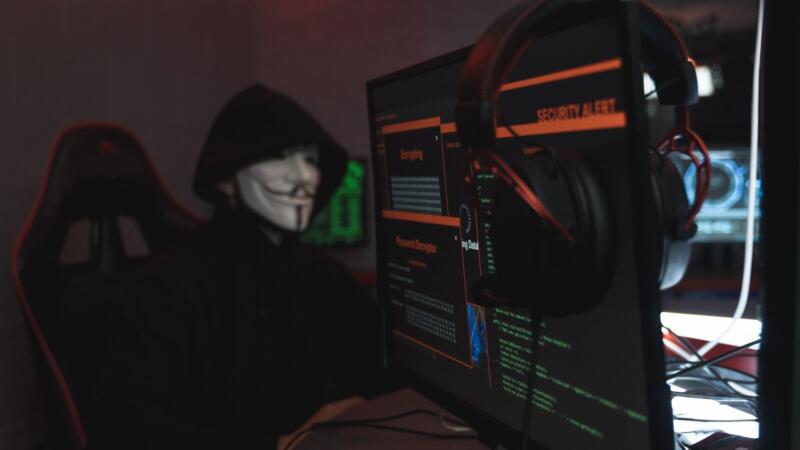
Cybersecurity Threats Escalate Amid Global Unrest
As the world grapples with ongoing wars, climate crises, and pandemics, cybersecurity has become a pressing concern, woven into every major story of 2026. The past year has seen a surge in bold, destructive, and hard-to-contain attacks, with nation-state hackers targeting civilian infrastructure, ransomware gangs holding companies hostage, and botnets undermining democratic institutions.
This mirrors the rise of cyber threats in the early 2010s, when hackers began exploiting vulnerabilities in critical infrastructure. However, the current landscape is more complex, with the involvement of nation-states and the increasing use of AI-powered attacks.
The scale of these attacks is unprecedented, with the potential to cause significant disruptions to global systems. As we enter the second half of 2026, it’s essential to examine the worst breaches and hacks of the year, and how they might impact us going forward.
DOGE’s Data Lapse and the Social Security Administration
One of the most alarming breaches of 2026 involves the Department of Government Efficiency (DOGE), which uploaded a live copy of the Social Security database to an unsecured third-party server. This database allegedly contained the Social Security numbers and associated personal information of most living Americans.
DOGE’s decision-making logic is unclear, but it’s likely that the organization prioritized its goals over data security. The consequences of this breach could be severe, with the potential for widespread identity theft and targeted attacks on Americans.
The Social Security Administration’s lack of transparency regarding the breach is concerning, and the fact that DOGE signed an agreement with an outside political advocacy group raises questions about the organization’s incentives and motivations.
Iranian Hackers and the Shift in Tactics
The cyberattack on Stryker, a U.S. medical tech company, marked a shift in Iranian hacking tactics. Iranian hackers broke in and remotely wiped tens of thousands of employee devices, causing widespread disruption to the company’s operations.
This breach highlights the increasing sophistication of Iranian hackers, who are now actively causing destructive hacks in apparent retaliation for the war. The U.S. government attributed the hacking group behind the breach to an arm of Iranian intelligence.
The impact of this breach on Stryker’s operations was significant, with the company’s first-quarter earnings affected. This incident demonstrates the growing threat of nation-state hackers and the need for companies to prioritize cybersecurity.
The Skeptical Case: Overemphasis on Nation-State Hackers
While nation-state hackers are a significant threat, it’s essential to acknowledge that the narrative around these attacks can be overblown. The reality is that many breaches are caused by simple security lapses, such as unsecured servers or weak passwords.
Historical analogues, such as the 2013 Yahoo breach, which was initially attributed to nation-state hackers but later found to be the result of a simple phishing attack, demonstrate that the narrative around nation-state hackers can be misleading.
The Signal to Watch Next: Regulatory Action
As the cybersecurity landscape continues to evolve, regulatory action will be a crucial signal to watch. The U.S. Federal Bureau of Investigation’s declaration of a “major cyber incident” in April, prompting a legally required disclosure with Congress, highlights the growing importance of regulatory oversight.
The next verifiable event to watch will be the implementation of new regulations aimed at improving cybersecurity standards. This will likely involve stricter guidelines for companies handling sensitive data and increased penalties for non-compliance.
What’s your take on this? Drop your perspective in the comments below.
By Alex Mercer, Senior Tech Analyst at TrendFlashy
Ready to launch your own asset?
Check out our guide on Building a Profitable Online Business.